Nydia palacios tulane Academic Curiosity and Purpose
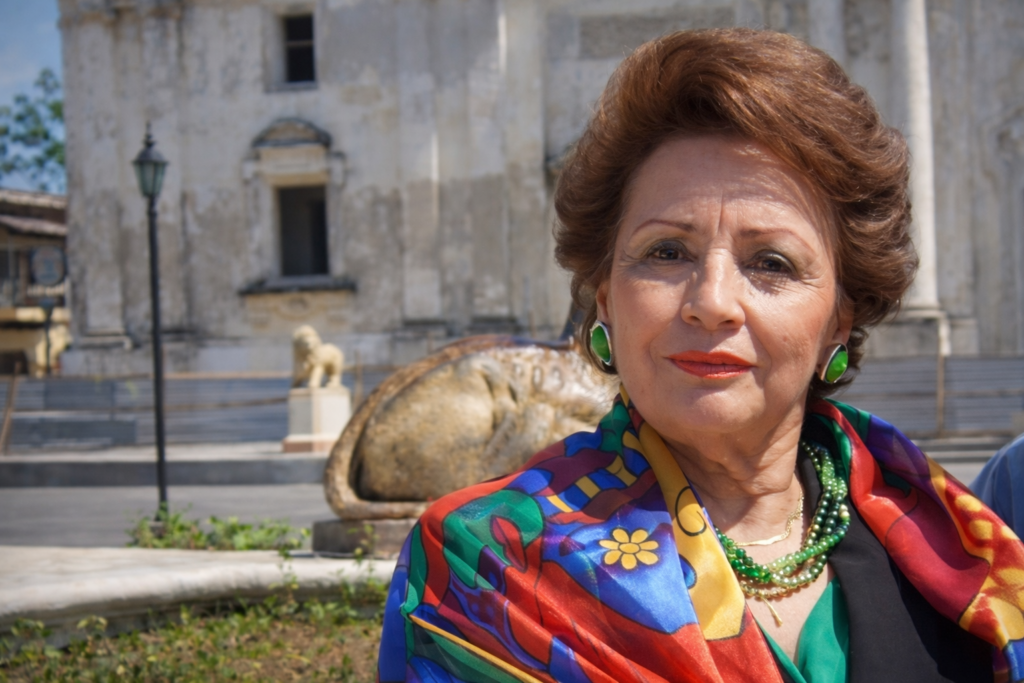
In the evolving landscape of higher education, individual stories often reveal more than statistics or rankings ever could. They reflect values, ambition, resilience, and the quiet determination that defines meaningful success. One such story is associated with Nydia Palacios and her academic journey at Tulane University. While not a household name, her path represents a broader narrative shared by many students who pursue education not only as a career step but as a platform for growth, service, and long term impact.
Tulane University, known for its strong emphasis on public service, interdisciplinary learning, and global engagement, attracts students who want more than a degree. It attracts individuals who want to understand the world more deeply and contribute to it thoughtfully. Within this environment, the academic experience of students like Nydia Palacios reflects the essence of what Tulane strives to cultivate.
This article explores the significance of that journey, the academic culture of Tulane University, and how personal identity, discipline, and curiosity intersect within a modern university setting.
Tulane University as an Academic Environment
To understand the context of Nydia Palacios at Tulane, it is important to first understand the institution itself. Founded in New Orleans, Tulane University is widely recognized for blending
Tulane’s curriculum emphasizes flexibility and exploration. Students are encouraged to cross disciplinary boundaries, participate in research, and integrate classroom knowledge with community based experiences. This structure allows individuals from diverse backgrounds to shape an education that aligns with both their intellectual interests and personal values.
For students like Nydia Palacios, this environment offers space to grow academically while remaining connected to cultural roots, social awareness, and future aspirations.
Academic Motivation and Intellectual Curiosity
Academic journeys often begin with curiosity rather than certainty. Many students enter university with broad interests that gradually evolve into focused goals. This process is central to personal development and intellectual maturity.
Nydia Palacios represents the kind of student who approaches education with intention. Whether through coursework, discussion, or independent study, her experience reflects a commitment to learning that goes beyond grades. At institutions like Tulane, this mindset is encouraged through small class sizes, faculty mentorship, and discussion based learning.
Curiosity becomes a skill rather than a trait. It is developed through questioning assumptions, engaging with diverse perspectives, and embracing complexity. Students who thrive in this environment tend to see education as a lifelong pursuit rather than a finite milestone.
Cultural Identity and Representation in Higher Education
One of the most meaningful aspects of modern university life is the growing emphasis on cultural identity and representation. Students bring their histories, languages, and lived experiences into academic spaces, enriching dialogue and understanding.
For many students with multicultural or underrepresented backgrounds, attending a university like Tulane can be both empowering and challenging. It requires balancing personal identity with academic expectations, often while navigating unfamiliar systems.
The experience of Nydia Palacios at Tulane reflects this balance. It highlights how students contribute to campus diversity not just by presence, but through perspective. Cultural awareness strengthens classroom discussions, informs research topics, and encourages empathy among peers.
Tulane’s commitment to inclusion and equity creates opportunities for students to engage in conversations about history, community, and social responsibility in meaningful ways.
The Role of Mentorship and Faculty Engagement
One defining feature of Tulane University is its emphasis on faculty student relationships. Professors are not distant figures but active participants in students’ academic growth. Mentorship plays a critical role in shaping confidence, clarity, and direction.
For students like Nydia Palacios, access to engaged faculty members provides guidance that extends beyond coursework. These relationships often help students refine interests, pursue research opportunities, and prepare for future careers or graduate studies.
Mentorship also fosters accountability and self belief. When students feel seen and supported, they are more likely to take intellectual risks, explore new ideas, and develop resilience in the face of challenges.
Service Learning and Community Engagement
Tulane University is nationally recognized for its service learning programs. Community engagement is not treated as an extracurricular activity but as an integral part of the academic experience.
Students are encouraged to connect theory with practice by working alongside local organizations, participating in research projects, and addressing real world issues. This approach reinforces the idea that education carries responsibility.
The involvement of students like Nydia Palacios in this culture of service reflects a commitment to using knowledge for positive impact. Service learning deepens understanding by grounding abstract concepts in lived reality. It also fosters humility, collaboration, and ethical awareness.
Through community engagement, students develop skills that are increasingly valued across professions, including communication, adaptability, and problem solving.
Academic Discipline and Personal Growth
Success in higher education is rarely accidental. It requires discipline, time management, and self awareness. Balancing coursework, extracurricular involvement, and personal responsibilities is an ongoing challenge for many students.
The academic journey of Nydia Palacios at Tulane illustrates how discipline and consistency contribute to long term growth. Progress is often gradual, shaped by reflection and adjustment rather than sudden breakthroughs.
University life provides a unique space for personal development. Students learn to navigate independence, manage setbacks, and define their own measures of success. These lessons often prove as valuable as academic knowledge itself.
Interdisciplinary Learning and Broader Perspective
One of Tulane’s strengths lies in its encouragement of interdisciplinary study. Students are not confined to narrow academic tracks but are invited to explore connections across fields.
This approach prepares students for a world where complex problems require integrated solutions. Whether combining social sciences with public health, humanities with environmental studies, or policy with data analysis, interdisciplinary learning fosters adaptability.
For students like Nydia Palacios, this flexibility allows for an education that reflects both intellectual curiosity and practical relevance. It encourages creative thinking and prepares graduates to navigate diverse professional environments.
Preparing for Life Beyond the Classroom
A university education is ultimately about preparation. Preparation for careers, for civic engagement, and for thoughtful participation in society.
Tulane provides resources that support this transition, including career counseling, internships, research opportunities, and alumni networks. These resources help students translate academic experience into real world readiness.
The journey of Nydia Palacios at Tulane reflects the importance of intentional preparation. By engaging deeply with academic and extracurricular opportunities, students position themselves for meaningful futures aligned with their values.
The Importance of Quiet Achievement
Not all impactful stories are highly visible. Many students make meaningful contributions without public recognition. Their achievements are found in persistence, growth, and quiet leadership.
The story associated with Nydia Palacios at Tulane University reminds us that success is not always nydia palacios tulane measured by headlines. It is often reflected in thoughtful engagement, ethical commitment, and steady progress toward purpose.
Universities are shaped by these individuals. Their presence enriches academic culture and strengthens the collective learning environment.
Why Stories Like This Matter
Sharing stories of academic journeys matters because they humanize education. They remind us that behind every institution are individuals navigating aspirations, challenges, and transformation.
The experience of Nydia Palacios at Tulane University represents thousands of similar journeys unfolding across campuses worldwide. These stories highlight the value of access, mentorship, and inclusive learning environments.
They also inspire future students to approach education with curiosity, integrity, and courage.
Conclusion
The academic path of Nydia Palacios at Tulane University reflects the enduring power of education as a transformative force. It is a story rooted in curiosity, shaped by community, and guided by purpose.
Tulane University provides a setting where students are encouraged to think critically, serve responsibly, and grow authentically. Within this environment, individuals like Nydia Palacios contribute to a culture of learning that extends beyond classrooms and into the broader world.
In the end, the true value of education lies not only in credentials, but in the kind of person it helps shape. Stories like this remind us that learning is not simply about knowing more, but about becoming more.