Narutas viesulo kronikos Legacy, Growth, and Inner Power
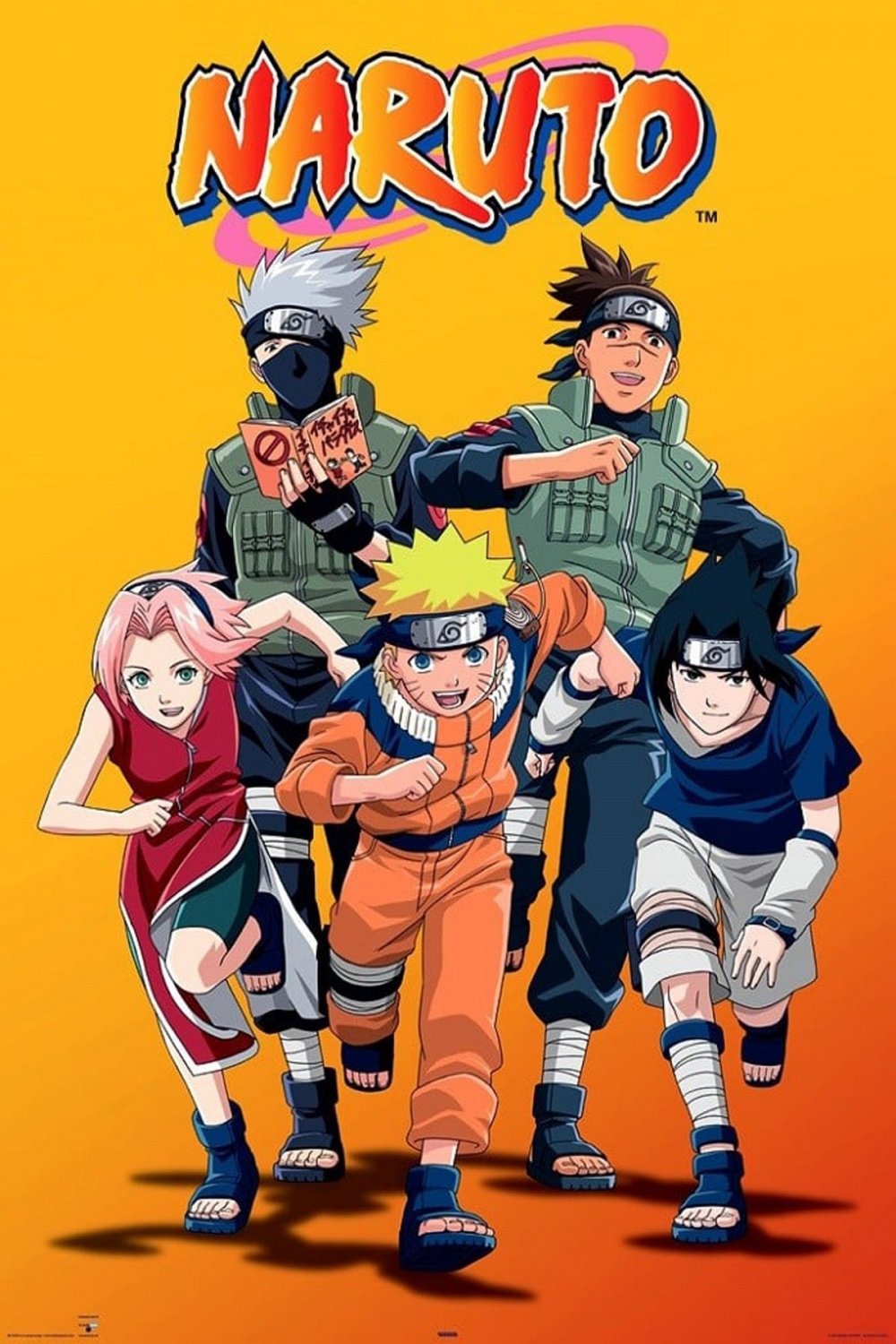
Narutas viesulo kronikos The phrase Narutas viesulo kronikos carries a poetic and symbolic weight that resonates deeply with fans of Japanese anime and storytelling culture. Translated loosely, it evokes the idea of Naruto’s whirlwind chronicles, a metaphor for a life shaped by chaos, resilience, and relentless motion. These chronicles are not merely a collection of battles or heroic moments. They represent a journey of emotional growth, identity, and the enduring struggle to find purpose in a turbulent world.
At the heart of these chronicles stands Naruto Uzumaki, one of the most recognizable and emotionally complex characters in modern anime history. His story unfolds as a long-form narrative that blends action, philosophy, trauma, and hope. The whirlwind or viesulas is not just external conflict. It exists inside Naruto himself.
This article explores Narutas viesulo kronikos as a thematic concept, examining its narrative depth, philosophical undertones, cultural relevance, and lasting impact on global audiences.
Understanding the Meaning Behind Narutas Viesulo Kronikos
Naruto’s life has always been surrounded by turbulence. From the moment he was born, he carried a burden that shaped every aspect of his existence. The Nine Tailed Fox sealed within him turned his childhood into a lonely battlefield. Villagers feared him, avoided him, and judged him without understanding who he truly was.
The word viesulas suggests a powerful, uncontrollable force of nature. Naruto’s journey mirrors this idea. His emotions are intense, his reactions explosive, and his determination unyielding. Yet within that chaos lies direction. Like a storm that eventually reshapes the land, Naruto’s struggles transform not only himself but the entire ninja world.
Narutas viesulo kronikos symbolizes the documentation of this transformation.
A Lonely Beginning That Shaped a Strong Spirit
Naruto’s early years were defined by isolation. Orphaned and shunned, he grew up without the warmth of family or the comfort of belonging. His loud personality and mischievous behavior were not signs of immaturity alone. They were survival mechanisms.
He wanted to be seen.
This emotional foundation is crucial to understanding the chronicles. Naruto did not dream of power for domination. He wanted acknowledgment. His desire to become Hokage was not about authority. It was about acceptance.
This human motivation makes his story relatable across cultures and generations.
The Ninja World as a Mirror of Inner Conflict
The ninja world is violent, political, and morally complex. Villages operate under fragile alliances, and children are trained as soldiers from a young age. In this environment, Naruto’s optimism feels almost rebellious.
His journey takes place largely within Konohagakure, a village that represents both safety and hypocrisy. While Konoha preaches unity, it initially fails one of its own children.
Naruto’s persistence forces the village to confront its own flaws. In this way, the external world reflects Naruto’s internal struggle. Both must evolve to achieve peace.
The Role of Bonds and Chosen Family
One of the most powerful themes in Narutas viesulo kronikos is the importance of bonds. Naruto’s strength grows not solely from training, but from connection.
Mentors like Kakashi Hatake teach him discipline and strategy. Friends like Sakura Haruno ground him emotionally. Rivals like Sasuke Uchiha challenge his beliefs and push him toward growth.
These relationships form the emotional core of the chronicles. Naruto refuses to abandon others, even when they abandon themselves. This philosophy becomes his greatest weapon.
Naruto Shippuden and the Maturation of the Chronicles
As the story progresses into Naruto Shippuden, the tone shifts noticeably. The narrative becomes darker, more philosophical, and emotionally heavier.
Naruto is no longer just a loud child chasing recognition. He is a young man confronting war, loss, and moral ambiguity. Enemies are no longer purely evil. Many are broken reflections of what Naruto himself could have become under different circumstances.
This stage of the chronicles focuses heavily on empathy. Naruto learns that hatred is often born from pain, and peace requires understanding rather than domination.
Pain, Loss, and the Philosophy of Forgiveness
Few arcs define Narutas viesulo kronikos more powerfully than Naruto’s confrontation with Pain. This conflict is not just physical. It is ideological.
Pain believes suffering is necessary to teach humanity the value of peace. Naruto disagrees, yet he listens. He seeks to understand before he responds. This moment marks a turning point in his journey.
Rather than choosing revenge, Naruto chooses dialogue.
This decision elevates his character beyond traditional action heroes. It positions him as a philosophical figure who believes cycles of hatred can be broken through compassion.
The Whirlwind of War and Leadership
The Fourth Great Ninja War represents the peak of chaos in Naruto’s world. Nations unite, ancient evils resurface, and countless lives are lost. Naruto steps into a leadership role not through command, but through inspiration.
His presence unites people who once stood divided. He carries the pain of others without losing himself to it. This is the calm within the storm.
Narutas viesulo kronikos reach their emotional climax here. Naruto becomes the embodiment of resilience. He does not deny suffering, but he refuses to let it define the future.
The Role of Destiny Versus Choice
Throughout the series, Naruto is repeatedly confronted with the idea of destiny. Prophecies, reincarnations, and inherited power suggest that his path is predetermined.
Yet Naruto consistently challenges this notion.
His achievements are not the result of talent alone. They are earned through effort, failure, and persistence. This reinforces one of the chronicles’ strongest messages. You are not defined by your origin. You are defined by your choices.
This philosophy resonates deeply in a world where many people feel trapped by circumstance.
The Creator’s Vision and Storytelling Depth
The emotional and thematic richness of Narutas viesulo kronikos reflects the vision of Masashi Kishimoto. Kishimoto crafted a story that balances action with introspection.
He allowed characters to grow organically. Mistakes had consequences. Trauma left scars. Healing took time.
This realism, even within a fantastical setting, is a major reason Naruto remains culturally relevant years after its conclusion.
Legacy Beyond Naruto
The chronicles do not end with Naruto achieving his dream. They continue through the next generation, particularly in Boruto: Naruto Next Generations.
As a father and leader, Naruto faces new challenges. He must balance responsibility with presence. His journey shifts from self-discovery to mentorship.
This continuation reinforces the idea that growth never truly ends. Every generation faces its own whirlwind.
Cultural Impact and Global Reach
Narutas viesulo kronikos have transcended anime fandom. Naruto has become a symbol of perseverance recognized across continents. His story is referenced in motivational speeches, academic discussions, and popular culture.
The themes of loneliness, identity, forgiveness, and hope are universal. They resonate with anyone who has ever felt overlooked or misunderstood.
This global impact proves that great storytelling knows no borders.
Why Narutas Viesulo Kronikos Still Matter Today
In a world increasingly defined by division and noise, Naruto’s story offers a reminder of the power of empathy. It teaches that strength without compassion leads to destruction, while understanding can reshape the future.
The whirlwind may be chaotic, but it is also transformative.
Narutas viesulo kronikos remind us that even those born into storms can become the calm that follows.
Final Thoughts
Narutas viesulo kronikos are not just about a ninja chasing a dream. They are about a human being navigating pain, connection, and purpose. Naruto’s journey is messy, emotional, and deeply inspiring.
His story teaches us that being acknowledged starts with acknowledging others. That true strength lies not in overwhelming force, but in the courage to understand.
And perhaps most importantly, it reminds us that no matter how fierce the storm, it is possible to choose a better path forward.