Kouskousi A Complete Guide to the Beloved Delicacy
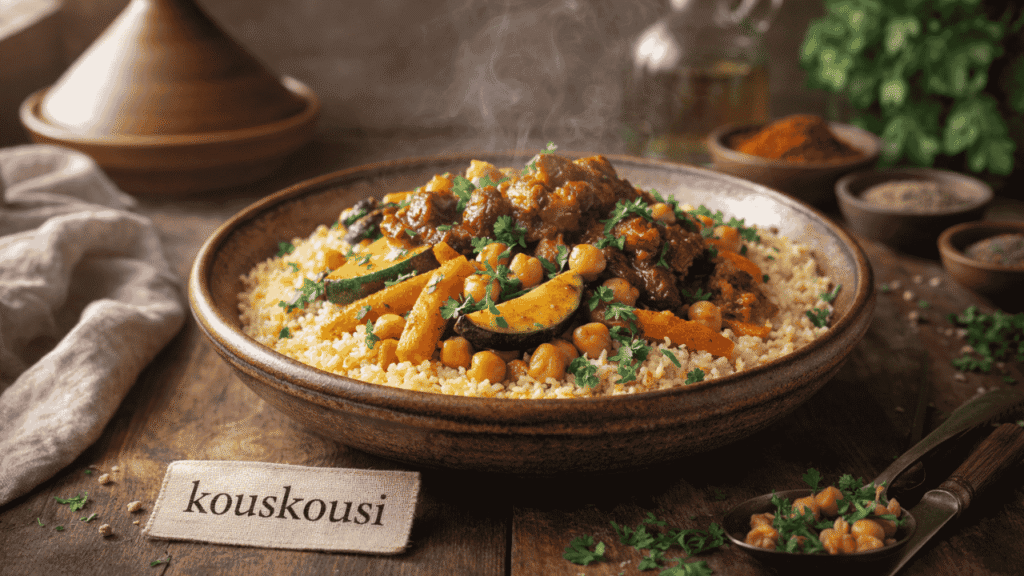
Kouskousi, often simply called couscous in many parts of the world, is more than just a staple food. Its rich history, cultural significance, and versatility in cooking make it a cherished dish in kitchens across continents. This article explores everything you need to know about kouskousi—from its origins and nutritional benefits to recipes, cooking tips, and modern adaptations. Whether you are a seasoned chef or someone looking to experiment with international cuisine, this guide will serve as a valuable resource.
The Origins of Kouskousi
Kouskousi has a long and fascinating history. It is believed to have originated in North Africa, particularly in regions that are today known as Morocco, Algeria, and Tunisia. Traditionally, it was made by hand, rolling semolina into tiny granules and then steaming them over a pot of simmering stew or broth.
Historically, kouskousi was more than just sustenance—it was a symbol of hospitality. Serving it to guests was considered a sign of respect and generosity. Over centuries, it spread across the Mediterranean and the Middle East, gradually gaining popularity in Europe and other parts of the world. Today, it has become a global culinary phenomenon.
Nutritional Profile of Kouskousi
Kouskousi is not only delicious but also highly nutritious. Made primarily from semolina wheat, it offers a good balance of carbohydrates, protein, and fiber. Here are some key nutritional benefits:
-
Energy Source: Being rich in complex carbohydrates, kouskousi provides long-lasting energy, making it an excellent choice for active individuals.
-
Protein Content: Although not as high as meat or legumes, kouskousi contains a moderate amount of protein, contributing to muscle repair and growth.
-
Vitamins and Minerals: It is a source of essential minerals like selenium, manganese, and magnesium, which are important for metabolic functions and bone health.
-
Low Fat: Traditional kouskousi is low in fat, making it a heart-healthy choice when paired with lean proteins and vegetables.
Because of these nutritional qualities, kouskousi is popular among people following balanced diets, fitness enthusiasts, and those seeking a wholesome plant-based option.
Varieties of Kouskousi
Kouskousi comes in several varieties, each with unique textures and uses. Understanding these varieties can enhance your cooking experience:
-
Traditional Steamed Kouskousi: The classic variety, made by steaming semolina granules, often served with meat or vegetable stews.
-
Instant Kouskousi: Pre-steamed and dried, this variety cooks quickly and is convenient for busy kitchens.
-
Whole Wheat Kouskousi: A healthier alternative, high in fiber and nutrients, with a nuttier flavor.
-
Flavored Kouskousi: Infused with spices, herbs, or vegetables, these variants offer exciting twists for modern recipes.
Choosing the right type of kouskousi depends on the dish you are preparing and the cooking time available.
Cooking Techniques
Cooking kouskousi requires attention to detail to achieve the perfect texture. Here is a step-by-step guide to cooking traditional kouskousi:
-
Preparation: Measure the kouskousi and rinse it lightly under cold water if needed. This removes excess starch and prevents clumping.
-
Steaming: Place the kouskousi in a steaming basket over a pot of simmering water or broth. Steam for about 15-20 minutes, fluffing occasionally with a fork.
-
Fluffing: After steaming, gently separate the grains with a fork to avoid compacting.
-
Seasoning: Add olive oil, butter, salt, or herbs according to your taste.
For instant kouskousi, boiling water or broth is poured over the granules, covered, and left for 5-10 minutes before fluffing. The method is fast but still retains the traditional texture and taste.
Traditional Kouskousi Dishes
Kouskousi serves as a base for numerous classic dishes. Some iconic examples include:
-
Kouskousi with Lamb and Vegetables: A hearty dish featuring tender lamb, seasonal vegetables, and rich spices like cumin and coriander.
-
Chicken Kouskousi: Often cooked with a saffron-infused broth, carrots, and zucchini, creating a vibrant, flavorful meal.
-
Vegetarian Kouskousi: Packed with chickpeas, roasted vegetables, and a medley of aromatic spices, this dish appeals to plant-based diets.
-
Sweet Kouskousi: Prepared with raisins, almonds, and honey, it can serve as a dessert or breakfast option in many cultures.
These dishes highlight the versatility of kouskousi and its ability to adapt to different cuisines and dietary preferences.
Modern Adaptations
With globalization and culinary experimentation, kouskousi has been reinvented in many ways. Some modern trends include:
-
Kouskousi Salads: Cold kouskousi combined with fresh vegetables, herbs, and vinaigrettes is a popular summer dish.
-
Fusion Cuisine: Kouskousi paired with ingredients from other cultures, such as teriyaki chicken or roasted Mediterranean vegetables, creates exciting fusion meals.
-
Quick Meals: Instant kouskousi with pre-cooked proteins and sauces is ideal for busy individuals seeking nutritious yet fast options.
These adaptations make kouskousi accessible and appealing to a wider audience, while preserving its traditional essence.
Tips for Perfect Kouskousi
To master kouskousi cooking, consider these practical tips:
-
Use Broth Instead of Water: Cooking or steaming kouskousi in vegetable or chicken broth enhances its flavor.
-
Avoid Overcrowding: Give the grains enough space to steam evenly, preventing a sticky texture.
-
Fluff Gently: Use a fork to separate grains without crushing them.
-
Experiment with Spices: Turmeric, cinnamon, and paprika add depth to your kouskousi dishes.
-
Combine Textures: Pair soft kouskousi with crunchy nuts or roasted vegetables for contrast.
Following these tips ensures a perfect, fluffy, and flavorful result every time.
Health Benefits
Beyond its nutritional content, kouskousi offers several health benefits:
-
Digestive Health: High fiber content promotes healthy digestion and prevents constipation.
-
Weight Management: Its complex carbohydrates provide satiety, reducing overeating.
-
Heart Health: Low in fat and cholesterol-free, it supports cardiovascular health when paired with healthy ingredients.
-
Energy Boost: Sustained energy from carbohydrates makes it ideal for athletes and active individuals.
Integrating kouskousi into your diet can therefore support overall health and well-being.
Pairing Kouskousi with Drinks
Kouskousi pairs well with a variety of beverages depending on the dish:
-
Herbal Teas: Mint or chamomile complements lighter vegetable dishes.
-
Wine: Rich, spiced kouskousi dishes pair well with red wines like Syrah or Merlot.
-
Fresh Juices: Citrus-based drinks balance the richness of meat-based kouskousi dishes.
Choosing the right beverage enhances the dining experience and elevates the flavors of kouskousi.
Storing and Reheating Kouskousi
Proper storage is essential to maintain freshness:
-
Refrigeration: Store cooked kouskousi in an airtight container for up to 3-4 days.
-
Freezing: Freeze in portions for up to 1 month. Thaw overnight in the fridge before reheating.
-
Reheating: Steam or microwave with a splash of water or broth to restore fluffiness.
Following these storage tips prevents dryness and preserves the taste and texture of kouskousi.
Cultural Significance
Kouskousi is not just food—it is an expression of culture and tradition. In North African countries, it is central to family gatherings, celebrations, and festivals. It represents hospitality and togetherness, often served in large communal dishes to be shared among family and friends. The ritual of preparing and serving kouskousi is passed down through generations, keeping culinary heritage alive.
Kouskousi in Global Cuisine
Kouskousi has traveled far beyond its origins, finding a place in international cuisine:
-
Mediterranean Cuisine: Often served with seafood, olive oil, and fresh herbs.
-
European Adaptations: French and Italian chefs incorporate kouskousi into modern dishes, blending flavors with local ingredients.
-
North American Fusion: Food enthusiasts create innovative dishes, including kouskousi bowls with avocado, quinoa, or roasted chicken.
This global appeal showcases the adaptability of kouskousi while maintaining its identity as a nutritious and flavorful staple.
Conclusion
Kouskousi is much more than a traditional dish—it is a versatile, nutritious, and culturally significant food that has transcended borders. From its origins in North Africa to modern adaptations worldwide, kouskousi continues to charm food lovers with its flavor, texture, and adaptability. Whether you prefer a hearty stew, a refreshing salad, or a sweet dessert, kouskousi offers endless possibilities.
Embracing kouskousi in your cooking not only introduces rich flavors and textures to your meals but also connects you to a rich culinary heritage. By mastering its preparation and exploring creative recipes, you can enjoy the best of both tradition and modern cuisine.