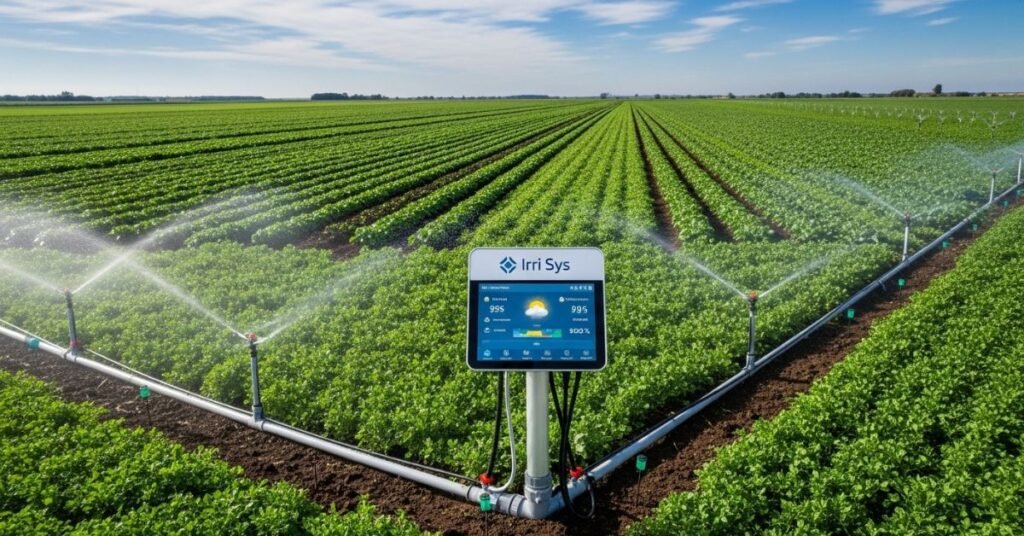
Irri sys Water is the foundation of agriculture, yet it is also one of the most limited and mismanaged resources in many parts of the world. As global populations rise and climate patterns become less predictable, farmers face increasing pressure to grow more food with fewer resources. In this environment, smart irrigation technology has emerged as a transformative solution. One term that is gaining attention in this space is Irri Sys, a modern approach to intelligent irrigation system management.
Irri Sys represents more than just watering crops. It reflects a shift toward data driven agriculture, sustainable farming practices, and precision resource management. In this comprehensive guide, we will explore what Irri Sys means, how smart irrigation systems work, their benefits, technologies involved, and why they are shaping the future of agriculture and landscaping.
What Is Irri Sys?
Irri Sys can be understood as a short form of irrigation systems that integrate technology, automation, and data analytics to optimize water use. Unlike traditional irrigation methods that rely on fixed schedules or manual control, an Irri Sys solution adjusts watering patterns based on real time environmental conditions, soil moisture levels, crop requirements, and weather forecasts.
At its core, Irri Sys combines hardware and software components to create a smart irrigation network. This system ensures that plants receive the exact amount of water they need, when they need it, without waste.
The concept fits into the broader trend of precision agriculture, where farmers use sensors, satellite imagery, and digital tools to maximize productivity while reducing environmental impact.
The Evolution of Irrigation Systems
To understand the importance of Irri Sys, it helps to look at how irrigation has evolved.
Traditional Irrigation
Early irrigation methods included flood irrigation and simple canal systems. While effective in certain contexts, these methods often resulted in:
-
Water wastage
-
Soil erosion
-
Uneven water distribution
-
Nutrient leaching
Manual sprinkler systems later improved efficiency but still required human supervision and guesswork.
Modern Automated Irrigation
With the advancement of technology, automated irrigation controllers were introduced. Timers allowed farmers to set watering schedules. However, these systems were still not fully responsive to real world conditions.
Irri Sys takes automation a step further by integrating sensors, cloud computing, and machine learning to create adaptive irrigation systems that respond dynamically to changes in the environment.
Key Components of an Irri Sys Solution
A smart irrigation system is made up of several interconnected components that work together seamlessly.
These sensors measure the water content in soil at various depths. By providing real time data, they help determine when irrigation is necessary and how much water should be applied.
Weather stations or cloud based weather services provide information on rainfall, temperature, humidity, and wind speed. This data helps prevent overwatering after rain and adjusts schedules during heat waves.
The controller acts as the brain of the Irri Sys network. It processes data from sensors and weather inputs to automatically regulate valves and pumps.
Irri Sys in Commercial Landscaping
Irri Sys is not limited to agriculture. Commercial properties, golf courses, public parks, and residential developments benefit from smart irrigation technology.
Property managers use weather based controllers to maintain green landscapes while conserving water.
Cities facing drought conditions increasingly adopt smart irrigation systems to reduce municipal water consumption.
Facility managers can oversee multiple properties from a single dashboard, improving efficiency and accountability.
Economic Impact of Smart Irrigation Systems
The global smart irrigation market continues to grow rapidly. As governments promote sustainable agriculture and water conservation, adoption rates increase.
For farmers, the initial investment in an Irri Sys solution may seem significant. However, long term savings often outweigh installation costs. Increased yields, lower water bills, and reduced labor expenses create a strong return on investment.
Financial incentives and government subsidies in some regions further encourage adoption of smart irrigation technology.
Challenges and Considerations
While Irri Sys offers numerous benefits, implementation requires thoughtful planning.
Sensors, controllers, and connectivity infrastructure involve upfront expenses. Smaller farms may need financing options.
Users must understand system configuration and data interpretation. Training is essential for maximizing performance.
Rural areas with limited internet access may face challenges in implementing fully cloud based systems.
Regular maintenance ensures sensor accuracy and prevents system failure.
Despite these challenges, the long term advantages of smart irrigation systems often justify the investment.
Sustainability and Climate Resilience
Climate change increases the unpredictability of rainfall patterns. Droughts and extreme weather events threaten agricultural productivity.
Irri Sys enhances resilience by enabling adaptive water management. Farmers can respond quickly to changing conditions, protecting crops and conserving resources.
Sustainable irrigation practices also contribute to global environmental goals by reducing greenhouse gas emissions associated with excessive pumping and energy use.
Future Trends in Irri Sys Technology
The future of irrigation technology looks promising.
Systems will become even more proactive, using advanced forecasting models to anticipate crop stress before it occurs.
Irrigation data will integrate seamlessly with crop planning, fertilization schedules, and supply chain management.
Renewable energy solutions will power pumps and controllers, reducing dependence on fossil fuels.
As technology becomes more affordable, small scale farmers will gain access to advanced irrigation tools.
Why Irri Sys Matters Today
Efficient water management is no longer optional. It is a necessity for global food security and environmental protection. Irri Sys represents a practical, scalable solution that aligns economic success with ecological responsibility.
By combining automation, real time data, and intelligent analysis, smart irrigation systems enable farmers and landscapers to operate with greater precision and confidence.
The transition from traditional irrigation to intelligent water management reflects a broader transformation in agriculture. Digital tools are reshaping how food is grown, distributed, and consumed.
Conclusion
Irri Sys stands at the intersection of technology, sustainability, and agricultural innovation. It addresses one of the most critical challenges of our time: responsible water management.
From soil moisture sensors to cloud based analytics, smart irrigation systems deliver measurable benefits in efficiency, productivity, and environmental stewardship. As adoption continues to expand across farms, cities, and commercial landscapes, Irri Sys will play an essential role in building a more sustainable future.
For farmers seeking higher yields, businesses aiming to reduce costs, and communities striving to conserve water, intelligent irrigation systems offer a clear path forward. The future of agriculture depends not only on growing more food but on growing it smarter.