Donesia: The Pulse of the Emerald Archipelago
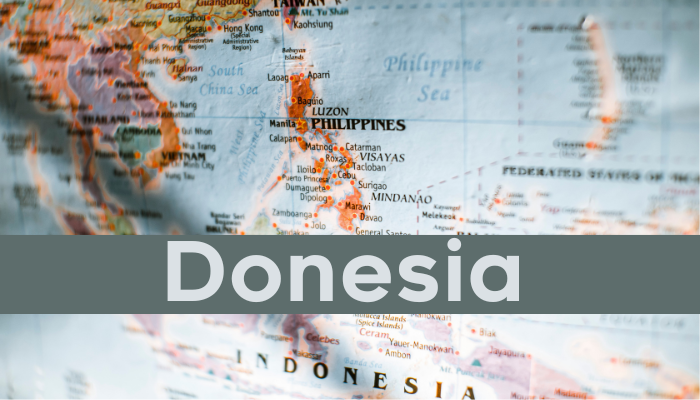
To look at a map of the world is to see Indonesia as a bridge. It sits as a vast, emerald necklace draped across the equator, connecting the Asian mainland to the Australian continent and the Pacific to the Indian Ocean. Yet, for those who have stepped onto its soil, Indonesia is far more than a geographical bridge. It is a living, breathing mosaic of human history, natural wonder, and a forward-looking ambition that is reshaping the global landscape.
With over 17,000 islands, the sheer scale of the nation is often difficult to grasp. It is a place where you can witness a sunrise over the sulfurous craters of East Java, trek through the dense, prehistoric jungles of Kalimantan, and end your day in a high-tech skyscraper in the heart of Jakarta. This is a nation of contrasts, where tradition and modernity do not just coexist but actively collaborate to create something entirely new.
The Geography of Infinite Variety
The physical makeup of Indonesia is its first and most striking characteristic. Because the nation sits on the Ring of Fire, its landscape is defined by volcanic activity. This has created a soil so fertile that nearly anything can grow, leading to the lush, terraced rice paddies that have become a symbol of the country.
A Land of Five Giants
While thousands of islands make up the state, five main islands hold the bulk of the story:
- Java: This island is the political and economic engine. It is home to more than half of the Indonesian population. Java is a dense tapestry of ancient kingdoms, colonial history, and a bustling modern middle class.
- Sumatra: To the west lies Sumatra, a rugged frontier. It is home to some of the most diverse wildlife on the planet, including the Sumatran tiger and rhino, as well as the breathtaking Lake Toba, a caldera of immense proportions.
- Kalimantan: Occupying the southern part of Borneo, this region is the lungs of the country. It is a land of great rivers and ancient rainforests, currently undergoing a massive transformation as the nation develops its new capital, Nusantara.
- Sulawesi: Known for its peculiar “K” shape, Sulawesi is a center for maritime tradition and unique mountainous cultures, such as the Toraja, who maintain some of the most complex funeral rites in the world.
- Papua: The eastern frontier offers a glimpse into a world of mist-covered mountains and coastal mangroves, housing hundreds of distinct indigenous groups.
The Human Mosaic: Unity in Diversity
The national motto, Bhinneka Tunggal Ika, is the soul of the country. It translates to “Unity in Diversity,” a necessary philosophy for a population that speaks over 700 languages and identifies with over 1,300 ethnic groups.
The Social Fabric
The Indonesian identity is built on the concept of Gotong Royong, or mutual cooperation. This cultural DNA means that community welfare often takes precedence over individual gain. Whether it is a village gathering to repair a bridge or a city neighborhood organizing a festival, the spirit of collective effort is palpable.
While Indonesia is home to the largest Muslim population in the world, its cultural heritage is a deep well of Hindu, Buddhist, and animist influences. This “layering” of history is visible in the way people practice their faith and celebrate their heritage. In Bali, for example, the local form of Hinduism is a colorful, daily spectacle of offerings and temple ceremonies that draws millions of visitors, yet it remains an authentic, deeply personal practice for the locals.
An Economic Giant Awakens
By 2026, the global perception of Indonesia has shifted from a “developing nation” to a “leading emerging economy.” As a member of the G20, Indonesia is no longer just a participant in global affairs; it is a trendsetter.
Natural Wealth and Future Tech
The nation has moved away from being a mere exporter of raw materials. Today, the focus is on “downstreaming.” Instead of shipping out raw nickel, Indonesia is building a domestic ecosystem for electric vehicle batteries, positioning itself at the center of the global green energy transition.
The digital economy has also exploded. With a young population that is highly connected via smartphones, Jakarta has become a hub for “unicorns” and tech startups. From fintech to agritech, Indonesian entrepreneurs are solving local problems with world-class technology.
The Call of the Wild: Biodiversity and Conservation
Indonesia is a “megadiverse” country, a title held by only a few nations on Earth. It is one of the few places where you can still find megafauna in their natural habitats. However, this beauty comes with a deep responsibility.
Marine Splendor
The Indonesian seas are part of the Coral Triangle. This area contains the highest diversity of coral and reef fish on the planet. For travelers and scientists alike, the waters of Raja Ampat and Komodo represent the pinnacle of marine life. In recent years, there has been a significant push toward sustainable tourism and the creation of marine protected areas to ensure these treasures remain for the next generation.
The Flavors of the Archipelago
You cannot talk about Indonesia without discussing the food. Indonesian cuisine is a sensory explosion of spices, textures, and aromas. It is the birthplace of the “Spice Islands,” after all.
- Rendang: A slow-cooked beef curry from West Sumatra that has been voted the world’s best food multiple times.
- Satay: Grilled skewers of meat served with a rich, spicy peanut sauce.
- Nasi Goreng: The iconic fried rice that varies from island to island, often served with a fried egg and shrimp crackers.
The food culture is deeply democratic. You can find a delicious meal at a humble warung (roadside stall) that is just as satisfying as a meal in a fine-dining establishment in Bali.
Looking Toward the Future
As the year 2026 unfolds, Indonesia stands at a pivotal moment. The construction of the new capital, Nusantara, in East Kalimantan symbolizes a desire to decentralize power and focus on sustainable, green urban living. It is a bold statement about where the country wants to go: toward a future that is modern, equitable, and ecologically conscious.
The challenges are real, from managing a vast archipelago to addressing climate change, but the optimism in the air is infectious. Indonesia is a country that has mastered the art of resilience. It is a nation that smiles through adversity and welcomes the world with open arms.
Whether you are drawn by the spiritual peace of a Balinese temple, the raw energy of a Javanese city, or the silent majesty of an orangutan in the wild, Indonesia offers an experience that changes you. It is not just a destination; it is a reminder of the vibrant, messy, and beautiful complexity of being human.