Ciulioneros Meaning, Origins, and the Deeper Cultural Narrative
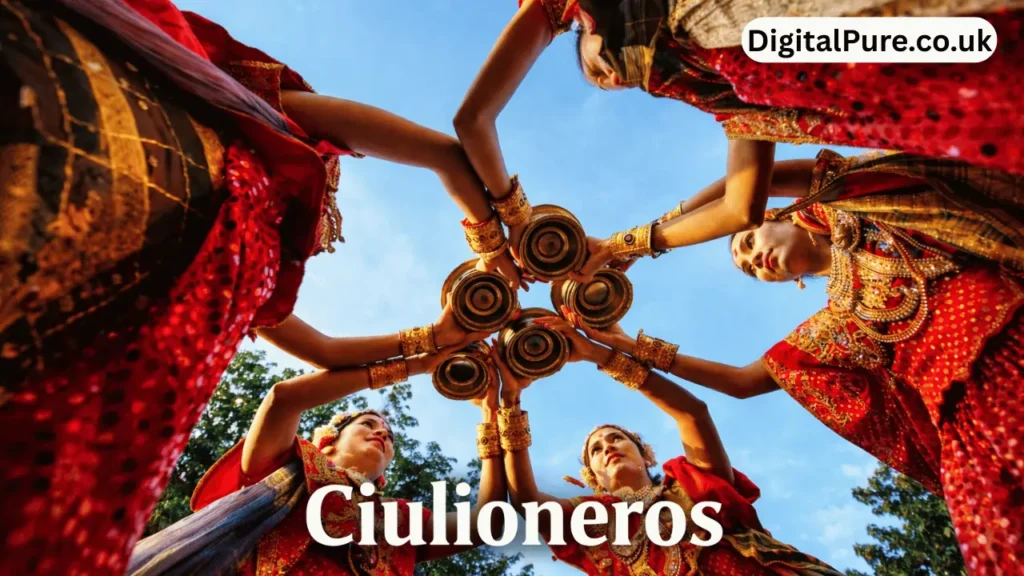
Ciulioneros is a term that immediately sparks curiosity. It sounds distinctive, carries a rhythmic flow, and feels rooted in something older than modern language trends. While it may not appear in mainstream dictionaries or widely known historical records, its strength lies precisely in its ambiguity. Ciulioneros represents the kind of concept that invites interpretation, storytelling, and cultural reflection rather than rigid definition.
In an age where information is often simplified and reduced to keywords, Ciulioneros stands apart as a term that asks the reader to pause. It feels like a name connected to identity, collective memory, or a shared way of life. Whether understood as a cultural label, a symbolic group, or a philosophical idea, Ciulioneros carries depth that unfolds gradually through context.
This article explores Ciulioneros from multiple angles, including its possible origins, symbolic meaning, cultural relevance, and modern-day interpretation. The goal is not to force a single definition but to understand why such terms matter and how they continue to shape human expression.
Understanding the Essence of Ciulioneros
Ciulioneros feels like a collective term. Linguistically, it resembles words used to describe groups of people bound by shared traits, values, or experiences. Rather than referring to individuals, it suggests belonging. This sense of collective identity is one of the most powerful aspects of the concept.
In many cultures, names given to groups are not merely descriptive. They often reflect history, occupation, geography, or moral character. Ciulioneros may represent a community shaped by shared struggle, tradition, or worldview. It may also symbolize a mindset rather than a physical group, describing people who approach life with a certain attitude or philosophy.
What makes Ciulioneros compelling is that it does not rely on surface-level explanation. Its meaning feels earned rather than given.
Possible Linguistic Roots and Interpretation
From a linguistic perspective, Ciulioneros appears to have Romance language influences. The structure and suffix suggest a connection to Mediterranean or Southern European phonetics. Such forms are often associated with professions, regional identities, or cultural groups.
Words like this historically evolved through spoken language rather than formal writing. Over generations, pronunciation and meaning shift, creating layered interpretations. Ciulioneros may have once referred to a specific group or role but gradually expanded to include symbolic meaning.
Even without precise etymology, the sound and structure of the word communicate warmth, familiarity, and collective presence. Language often conveys emotion before logic, and Ciulioneros is no exception.
Cultural Identity and Community Significance
At its core, Ciulioneros seems deeply connected to the idea of community. It implies people who share values, customs, and a sense of responsibility toward one another. In traditional societies, such collective identities were essential for survival and continuity.
Ciulioneros could represent individuals who uphold tradition while adapting to change. People who understand where they come from and why it matters. In this sense, it becomes a symbol of cultural continuity rather than resistance to progress.
Many communities throughout history have used names to preserve unity. These names become anchors of identity, especially during times of uncertainty. Ciulioneros fits naturally into this tradition, representing belonging that goes beyond geography.
Symbolism and Emotional Depth
Symbolically, Ciulioneros carries emotional weight. It suggests resilience, loyalty, and shared memory. Such terms often emerge in response to hardship or transformation. They help people articulate who they are when circumstances challenge them.
Emotionally, Ciulioneros may represent pride without arrogance. Strength without noise. Unity without uniformity. It is the kind of concept that resonates with people who value depth, patience, and authenticity.
In literature and storytelling, words like Ciulioneros often serve as shorthand for complex emotional realities. A single mention can evoke history, struggle, and solidarity without lengthy explanation.
Ciulioneros in Storytelling and Oral Tradition
Many powerful cultural concepts survive through stories rather than formal documentation. Ciulioneros feels like a term that would be passed down through conversations, songs, or shared experiences.
In storytelling, it might refer to a group known for their values or way of life. Perhaps they are remembered for resilience, craftsmanship, or wisdom. The exact details may change, but the essence remains consistent.
Oral traditions thrive on meaning rather than precision. Ciulioneros likely evolved in this way, shaped by the people who used it and the stories they told. This organic growth gives it authenticity and emotional truth.
Philosophical Dimensions of Ciulioneros
Beyond cultural identity, Ciulioneros can be understood philosophically. It represents the idea that identity is relational rather than individual. To be a Ciulionero is not just to exist but to belong.
This philosophy contrasts sharply with modern hyper-individualism. Ciulioneros reminds us that meaning often emerges through connection, shared responsibility, and mutual respect.
Philosophically, it also suggests continuity. Individuals come and go, but the values represented by Ciulioneros endure. This perspective offers comfort in an uncertain world, grounding people in something larger than themselves.
Modern Relevance in a Changing World
In today’s globalized and digital society, concepts like Ciulioneros are more relevant than ever. As traditional communities fragment and identities become fluid, people seek belonging in new ways.
Ciulioneros can serve as a modern metaphor for intentional community. It represents people who choose values over convenience and depth over speed. This makes it particularly appealing to creatives, thinkers, and cultural observers.
In digital spaces, Ciulioneros could symbolize communities formed around shared purpose rather than location. Online platforms now allow people to connect based on values, creativity, and philosophy, echoing the essence of traditional collectives.
Creative and Artistic Influence
Ciulioneros holds strong potential as a creative concept. Artists, writers, and filmmakers often seek terms that evoke atmosphere rather than explicit meaning. Ciulioneros offers exactly that.
As a literary theme, it could represent a group navigating change while holding onto core values. As a visual concept, it might be expressed through warm tones, communal spaces, or symbolic imagery representing unity.
Music and poetry could also draw inspiration from Ciulioneros, using it as a symbol of shared emotion or cultural memory. Its versatility allows artists to adapt it to different mediums without losing its essence.
Semantic SEO and Conceptual Richness
From a semantic SEO perspective, Ciulioneros naturally connects with themes such as cultural identity, community values, symbolism, tradition, collective memory, and philosophical belonging. These related ideas provide contextual depth without artificial repetition.
Search engines increasingly reward content that demonstrates understanding rather than keyword stuffing. By exploring Ciulioneros through multiple meaningful lenses, the topic gains authenticity and relevance.
This approach not only benefits visibility but also enhances reader engagement. People stay longer with content that feels thoughtful and human.
Why Ciulioneros Matters
Ciulioneros matters because it represents something timeless. It reminds us that identity is not built overnight and meaning cannot be rushed. It highlights the importance of shared experience in shaping who we are.
In a world dominated by quick labels and shallow connections, Ciulioneros stands as a quiet counterbalance. It suggests that depth, patience, and belonging still have value.
It also matters because it invites interpretation rather than instruction. Each person who encounters Ciulioneros brings their own experience to its meaning, enriching it further.
Ciulioneros as a Living Concept
Perhaps the most important aspect of Ciulioneros is that it is not static. It evolves as people engage with it. This flexibility allows it to remain relevant across time and context.
Rather than being confined to a single definition, Ciulioneros grows through use. It adapts to new environments while preserving its core essence. This is the hallmark of enduring cultural concepts.
Living concepts like this do not fade easily. They persist because they fulfill a human need for connection and understanding.
Conclusion
Ciulioneros is more than a word. It is a reflection of how humans create meaning through shared identity, storytelling, and values. Its ambiguity is not a weakness but a strength, allowing it to resonate across cultures and generations.
By exploring Ciulioneros, we rediscover the power of language to connect rather than categorize. We are reminded that some ideas are meant to be felt before they are fully understood.
In embracing Ciulioneros, we embrace a vision of community rooted in respect, memory, and purpose. And in doing so, we reaffirm the timeless truth that belonging remains one of the most profound human experiences.