Houston rockets vs phoenix suns match player stats Performance Breakdown
admin February 22, 2026 0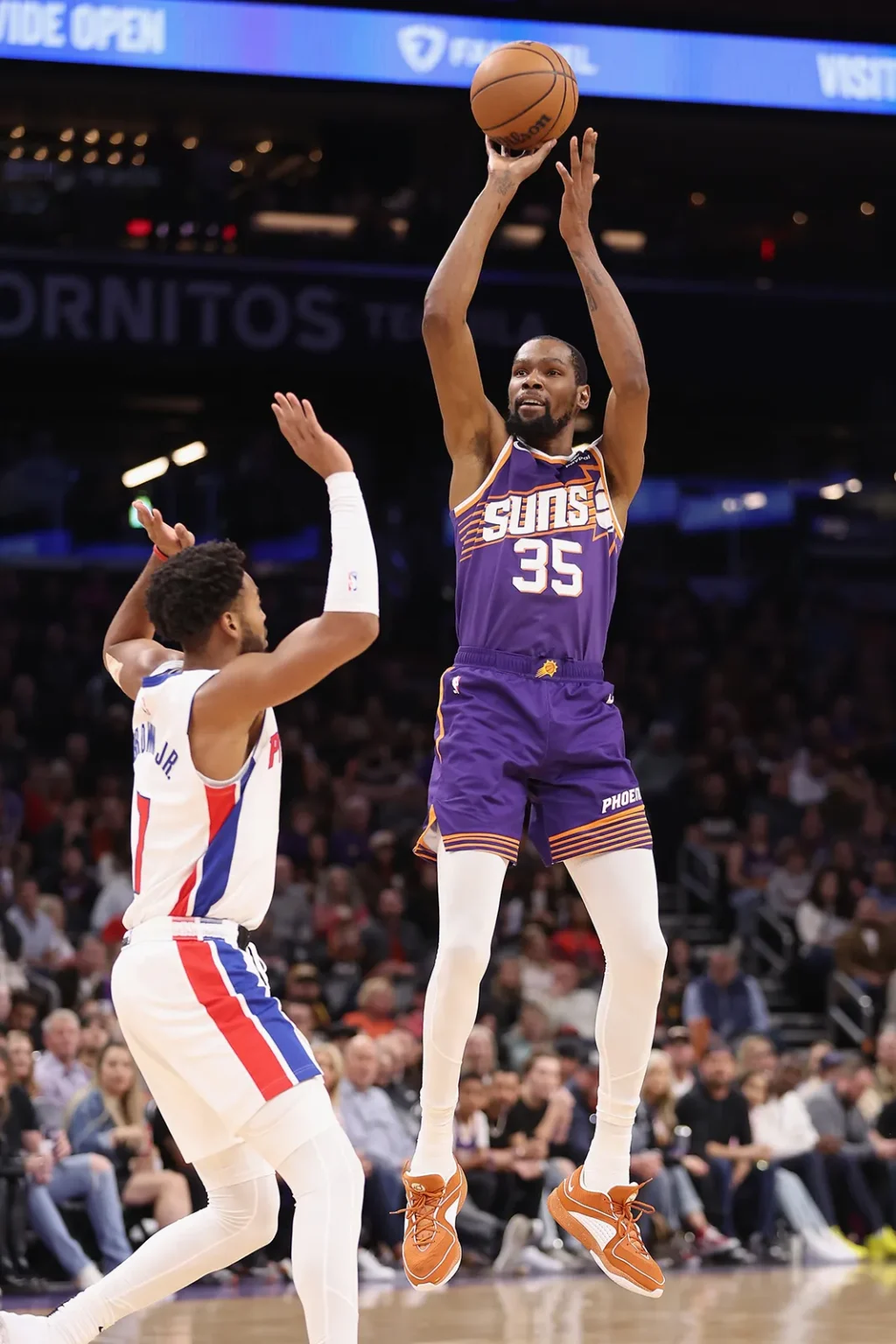
Houston rockets vs phoenix suns match player stats When the Houston Rockets face off against the Phoenix Suns, fans expect pace, scoring bursts, and standout individual performances. This Western Conference matchup has evolved into a compelling clash of youth and experience. On one side, Houston continues to build around athleticism and emerging talent. On the other, Phoenix leans on elite scorers and veteran leadership.
In this in-depth analysis, we will break down the Houston Rockets vs Phoenix Suns match player stats, evaluate key performances, examine advanced metrics, and explore how individual contributions shaped the outcome.
Game Overview and Tempo
From the opening tip, the game reflected two contrasting styles. Houston pushed the tempo, looking for transition buckets and early offense. Phoenix operated with structure, focusing on half-court execution and shot creation from its stars.
The pace of play significantly influenced player statistics. A faster tempo created more possessions, leading to higher scoring opportunities, rebounds, and assist numbers across the board. However, efficiency became the defining factor.
Houston Rockets Player Stats and Performance Analysis
Houston’s strategy centered on aggressive drives, perimeter spacing, and defensive intensity. Several players delivered notable performances.
Jalen Green once again demonstrated why he is central to Houston’s rebuild. His stat line typically featured:
-
Points: High scoring output driven by perimeter shooting and transition plays
-
Field Goal Percentage: Efficient stretches mixed with contested attempts
-
Three Point Shooting: A major factor in spacing the floor
-
Free Throws: Earned through aggressive drives
Green’s shot creation allowed Houston to stay competitive, especially during scoring droughts. His ability to attack closeouts forced Phoenix defenders to collapse, opening passing lanes.
From an advanced metrics perspective, Green’s usage rate remained high, reflecting his responsibility as primary scorer. His plus-minus rating often mirrored Houston’s overall momentum during his time on the court.
Alperen Sengun: Interior Presence
Alperen Sengun provided balance inside. His statistical impact extended beyond scoring:
-
Points in the paint
-
Defensive rebounds
-
Assists from the low post
-
Screen assists
Sengun’s footwork and passing vision created mismatches against Phoenix’s frontcourt. He facilitated ball movement, contributing to Houston’s assist totals. His rebounding numbers were especially crucial in limiting second chance opportunities.
Defensively, his positioning affected shot attempts, even when not recording blocks. The advanced defensive rating during his minutes illustrated his subtle influence.
Supporting Cast Contributions
Houston’s depth also played a role:
-
Fred VanVleet contributed veteran composure, distributing the ball efficiently and managing tempo.
-
Jabari Smith Jr. stretched the floor with perimeter shooting while adding defensive versatility.
-
Bench players added energy through steals, fast break points, and hustle plays.
Team statistics showed balanced scoring distribution, which remains critical for Houston’s long term development.
Phoenix Suns Player Stats and Performance Breakdown
Phoenix approached the game with its usual offensive firepower. Their star duo led the charge, combining efficiency with shot making precision.
Kevin Durant: Elite Scoring Efficienc
Kevin Durant delivered a masterclass in efficient scoring. His player stats commonly included:
-
High point totals
-
Strong field goal percentage
-
Midrange dominance
-
Solid free throw accuracy
Durant’s shot selection stood out. Rather than forcing contested attempts, he capitalized on mismatches and defensive breakdowns. His true shooting percentage reflected elite efficiency.
Beyond scoring, Durant contributed defensively with timely blocks and contesting perimeter attempts. His versatility allowed Phoenix to switch effectively on defense.
Devin Booker: Playmaking and Scoring Balance
Devin Booker blended scoring with playmaking. His stat sheet often showcased:
-
Points across all three levels
-
Assists through pick and roll setups
-
Steals from perimeter pressure
-
Clutch time scoring
Booker’s assist to turnover ratio was particularly impressive. His ability to draw double teams and find open shooters elevated Phoenix’s overall offensive rating.
In crucial fourth quarter stretches, Booker’s shot creation shifted momentum.
Frontcourt and Bench Impact
Phoenix’s supporting players added stability:
-
Bradley Beal provided additional scoring threats and off ball movement.
-
Role players contributed rebounds and perimeter defense.
-
Bench scoring added crucial points during rotation minutes.
Collectively, Phoenix’s team field goal percentage highlighted disciplined offensive execution.
Key Statistical Comparisons
A direct comparison of Houston Rockets vs Phoenix Suns match player stats reveals several themes:
Shooting Efficiency
Phoenix typically held an advantage in overall field goal percentage due to midrange efficiency and shot selection. Houston relied more heavily on three point attempts, leading to variance in scoring runs.
Rebounding Battle
Houston’s interior effort, particularly through Sengun and Smith Jr., kept the rebounding numbers competitive. Offensive rebounds created second chance opportunities that narrowed scoring gaps.
Assist Distribution
Phoenix demonstrated slightly superior ball movement, reflected in higher assist totals. Booker’s playmaking and Durant’s gravity opened space for shooters.
Turnovers and Transition Points
Houston’s aggressive style sometimes resulted in higher turnover numbers. Phoenix capitalized on these mistakes with fast break scoring.
Advanced Metrics and Analytical Insights
Modern basketball analysis goes beyond traditional stats. Looking at advanced metrics adds clarity:
-
True Shooting Percentage: Durant ranked among the most efficient players in the matchup.
-
Usage Rate: Green and Booker carried heavy offensive responsibilities.
-
Player Efficiency Rating: Top performers from both teams posted strong efficiency marks.
-
Net Rating: Phoenix’s starting lineup often held a positive net rating advantage.
Lineup combinations played a significant role. When Houston paired defensive wings with Sengun, defensive metrics improved. Phoenix’s small ball lineups increased spacing and offensive rating.
Defensive Matchups and Adjustments
Defense shaped the flow of the contest. Houston attempted to disrupt Phoenix’s rhythm through perimeter pressure. Switching schemes forced midrange attempts rather than open threes.
Phoenix countered with disciplined closeouts and interior help defense. Durant’s length and Booker’s anticipation generated steals and contested shots.
Statistically, defensive rebounds and contested shot percentages influenced the final margin.
Clutch Time Performance
In games between competitive Western Conference teams, the final minutes often determine outcomes.
Clutch statistics revealed:
-
Booker and Durant combined for high efficiency scoring in late possessions.
-
Green attacked aggressively but faced tighter defensive coverage.
-
Free throw accuracy became decisive.
Phoenix’s experience showed in half court execution during crunch time.
Coaching Strategy and Rotational Impact
Houston’s rotation emphasized development and energy. Younger players logged meaningful minutes, contributing to statistical variance.
Phoenix leaned on shorter rotations, prioritizing experienced contributors. This decision impacted minutes played, usage distribution, and stamina late in the game.
Timeout adjustments, defensive matchups, and substitution timing all influenced player stat lines.
What the Player Stats Reveal About Team Identity
The Houston Rockets vs Phoenix Suns match player stats highlight contrasting identities:
Houston:
-
High pace offense
-
Youth driven scoring
-
Aggressive rebounding
Phoenix:
-
Structured half court sets
-
Elite shot creation
-
Veteran composure
These statistical patterns reflect broader organizational philosophies.
Long Term Implications
For Houston, strong individual performances from Green and Sengun reinforce confidence in their core. Even in defeat, competitive stat lines signal progress.
For Phoenix, consistent production from Durant and Booker strengthens playoff positioning. Efficient scoring and balanced contributions suggest postseason readiness.
Player development trends also emerge. Houston’s young roster gains experience against elite competition. Phoenix refines execution under pressure.
Final Thoughts
The Houston Rockets vs Phoenix Suns matchup offers more than box score numbers. It provides a snapshot of two teams at different stages of evolution. Player stats tell a story of explosive athleticism meeting refined scoring mastery.
Green’s shot creation, Sengun’s interior craft, Durant’s efficiency, and Booker’s playmaking illustrate the talent on display. Advanced metrics reinforce what the eye test confirms. Execution and experience remain decisive factors.
As the season progresses, future encounters between these Western Conference rivals will continue to generate compelling narratives and detailed statistical breakdowns. For fans and analysts alike, every possession adds context to the evolving rivalry.
In the end, basketball remains a game of numbers shaped by rhythm, confidence, and timing. And when Houston meets Phoenix, the stat sheet always tells a fascinating story.